2026 Best Acrylic Seg Light Box for Global Buyers?
The demand for innovative advertising solutions is on the rise. Among these, the Acrylic Seg Light Box stands out as a versatile choice. It combines aesthetic appeal with functionality. This makes it popular among global buyers looking for effective marketing tools.
Using high-quality acrylic materials, these light boxes provide vibrant illumination. They showcase graphics clearly, capturing attention in crowded spaces. Their lightweight design ensures easy installation and repositioning. However, some users report challenges with durability over time. It is crucial to select reliable brands that prioritize quality.
As we explore the 2026 best Acrylic Seg Light Box options, consider your specific needs. Factors like size, brightness, and customization will influence your decision. Investing in a well-made light box can enhance your business visibility significantly. Navigating the available choices can be overwhelming, yet rewarding when done thoughtfully.
Overview of Acrylic Seg Light Boxes and Their Benefits
Acrylic Seg Light Boxes have gained popularity in various sectors, including retail, hospitality, and advertising. These light boxes utilize tension fabric to create stunning displays. Their lightweight and durable design make them a great choice for both permanent and temporary installations. Industry reports reveal that the global market for light boxes is expected to grow significantly, reaching an estimated $1.2 billion by 2025. This growth is driven by the need for effective visual communication in crowded marketplaces.
One notable benefit of Acrylic Seg Light Boxes is their versatile nature. They can be easily customized to suit branding needs. This adaptability allows businesses to refresh their displays without the need for extensive renovations. An important aspect is energy efficiency; many options utilize LED technology, consuming less power compared to traditional light sources. However, sourcing quality materials is crucial. Using subpar components can undermine the durability and visual impact of the display.
Tip: Regularly assess the condition of your light box. Watch for wear on seams or fading in colors. Investing in high-quality, UV-resistant materials ensures longevity and vibrancy. A well-maintained light box can continuously attract attention and drive consumer engagement, highlighting the significance of thoughtful design in commercial spaces.
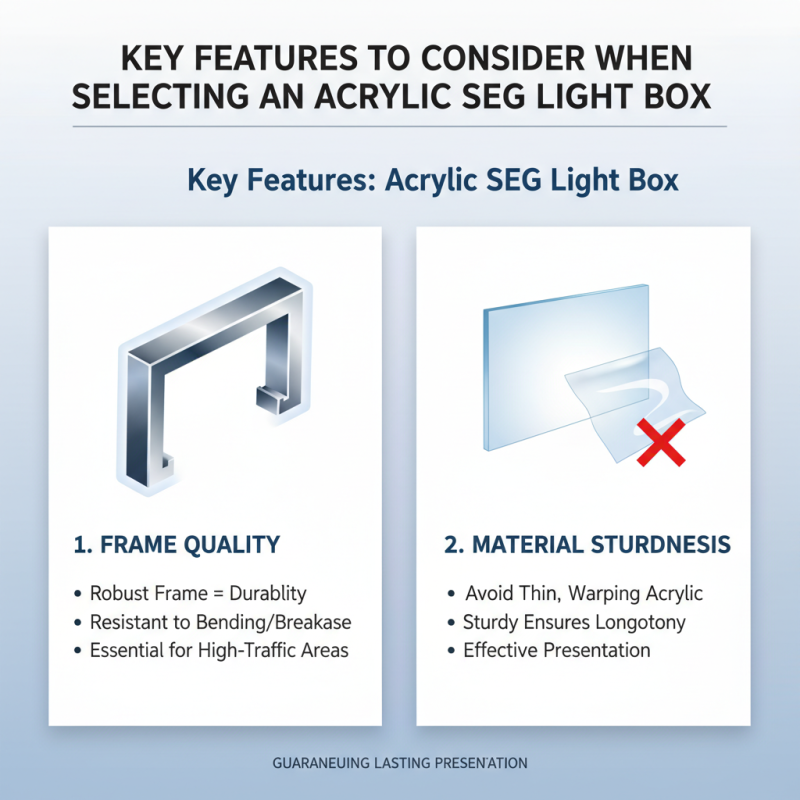
Key Features to Consider When Selecting an Acrylic Seg Light Box
When selecting an acrylic SEG light box, focus on its frame quality. A robust frame guarantees durability. This is essential for high-traffic areas. Look for materials that resist bending and breakage. Thin acrylic can warp over time. A sturdy frame ensures longevity and effective presentation.
Another vital feature is the lighting. LED lights are energy-efficient and long-lasting. They create an even glow, enhancing visibility. Poor lighting can diminish the overall appeal of the display. Brightness should be adjustable for different environments, providing flexibility in various locations. You want your graphics to stand out, not fade into the background.
Tips: Regularly check the light box for wear. Are colors vibrant? Assessing these elements can prevent future issues. Test the setup before major events or showcases. Ensure it meets your aesthetic and practical needs. Lastly, consider ease of assembly and disassembly. A complicated setup can lead to frustration and delay.
Popular Brands and Their Offerings in the Acrylic Seg Light Box Market
The acrylic SEG light box market is witnessing a surge in popularity. Many businesses are turning to this display solution for its vibrant visual appeal. Retail stores, galleries, and exhibitions can benefit significantly from these light boxes. They provide an excellent way to showcase graphics and advertisements.
Popular brands in the market offer a range of styles and sizes. Some designs are sleek and modern, while others emphasize durability. The choice of acrylic type can greatly impact the brightness and clarity of images. Customers often seek guidance on which options fit their needs best. Balancing aesthetics and functionality requires expertise.
However, buyers sometimes face challenges. Not all products deliver the same quality. They might find it hard to discern which brands provide reliable options. There is a need for thorough research before making a purchase. Reviews and recommendations can help make informed decisions. Taking the time to explore various offerings ensures a better match for specific requirements.
2026 Best Acrylic Seg Light Box for Global Buyers
| Model |
Size (cm) |
Light Source |
Thickness (mm) |
Features |
Price Range (USD) |
| Model A |
60 x 90 |
LED |
20 |
Ultra-slim, Eco-friendly |
200 - 250 |
| Model B |
80 x 120 |
SMD LED |
25 |
High Brightness, Customizable |
300 - 350 |
| Model C |
100 x 150 |
RGB LED |
30 |
Multicolor, Remote Control |
400 - 450 |
Tips for Global Buyers on Sourcing Acrylic Seg Light Boxes
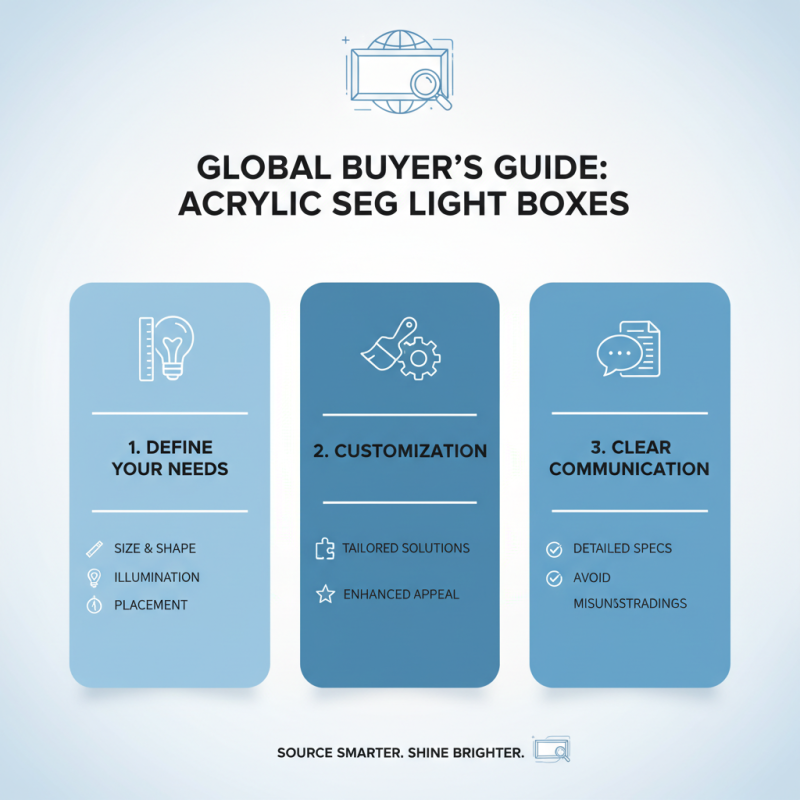
Sourcing acrylic SEG light boxes requires some strategic considerations. First, buyers should evaluate their specific needs. This includes size, illumination type, and placement. Customization options can greatly enhance the product's appeal. Many suppliers offer tailored solutions, but clarity in communication is essential. Provide detailed specifications to avoid misunderstandings.
When selecting a supplier, reliability is crucial. Research suppliers' reputations through reviews and industry feedback. Request samples before making bulk orders. This allows for quality assessment. Consider visiting trade shows or exhibitions to see products firsthand. Engaging directly with manufacturers can reveal insights that online research may not provide.
Lastly, be aware of potential challenges. Shipping costs and time can vary significantly. Ensure clear terms regarding warranties and returns. It’s vital to align expectations with the supplier to minimize disputes. Embracing flexibility in your approach will help adapt to any unforeseen issues.
Future Trends in Acrylic Seg Light Box Design and Usage
The acrylic SEG light box is evolving, catering to the ever-changing needs of various industries. As businesses seek innovative ways to display graphics, designers are focusing on enhanced aesthetics and functionalities. The use of lightweight materials ensures ease of installation and mobility. Users appreciate the crisp lighting and vibrant colors that acrylic offers, making graphics more eye-catching.
In the future, sustainability may play a more significant role in design choices. Brands could prioritize eco-friendly materials and energy-efficient lighting options. This shift could resonate well with environmentally conscious consumers. However, striking a balance between sustainability and cost-efficiency remains a challenge.
Moreover, tech integrations, like smart lighting controls, could redefine usage scenarios. Users might expect light boxes to sync with digital displays or change colors based on the environment. While these advancements sound exciting, they may require careful consideration. The complexity of tech could add to maintenance issues, which is a valid concern for many potential buyers.
2026 Best Acrylic Seg Light Box Trends

 +86-750-3598205
 CONTACT NUMBER