2026 Top Trends in Led Display Screen Technology What to Expect?
As we look ahead to 2026, the landscape of Led Display Screen technology promises to be transformative. This evolution is driven by advances in various fields, including optics and digital design. The demand for high-quality visuals has skyrocketed across industries such as advertising and entertainment.
Expect innovations in resolution and brightness. Furthermore, energy efficiency will become a priority. Many companies are exploring sustainable materials to create eco-friendly displays. However, the rapid pace of change raises questions. Are we focusing enough on usability? The need for user-centered design is critical.
In conclusion, the trends in Led Display Screen technology will shape our visual experience in the coming years. Embracing these changes while reflecting on potential shortcomings will be essential for meaningful progress. The future is bright, but it requires careful consideration.
Emerging LED Display Technologies Shaping the Future
The world of LED display technology is evolving rapidly. Emerging trends are set to redefine visuals in various sectors. One significant trend is the development of flexible LED screens. These screens can bend and adapt to different shapes. This feature allows for innovative designs, particularly in retail and advertising. Imagine an entire wall that shifts its screen display to fit the room’s architecture.
Another exciting advancement is mini and micro LED technology. These tiny LEDs offer improved brightness and contrast. They are energy-efficient and provide stunning picture quality. As manufacturers adopt these technologies, challenges arise. For instance, the cost of production can be high, limiting accessibility for smaller businesses. However, these barriers may spur creative solutions.
A focus on sustainability is also shaping the future of LED displays. Companies are exploring eco-friendly materials and recycling options. While this is a positive direction, the transition is not seamless. Many manufacturers struggle with balancing cost and sustainability. This ongoing shift presents opportunities for innovation but requires careful contemplation and adjustment from industry players.
Advancements in Energy Efficiency for LED Displays
The LED display technology is evolving rapidly, especially in energy efficiency. As we approach 2026, manufacturers are increasingly focusing on reducing power consumption. New advancements in organic light-emitting diodes (OLEDs) promise improved performance while using less energy. This shift will not only lower electricity bills but also reduce environmental impact.
Moreover, the use of innovative materials can enhance energy efficiency. For instance, some displays now incorporate nanotechnology to optimize light output. This improvement leads to brighter screens without the need for excess power. Despite these innovations, challenges remain. For example, cost-effective production methods still need refinement.
The push for energy-efficient LED displays is commendable but complex. While there are significant strides, balancing performance and sustainability is still a work in progress. People in the industry must continuously assess their progress and adjust strategies accordingly. Keeping an eye on the evolving landscape ensures that future technology is not only efficient but also practical.
2026 Top Trends in LED Display Screen Technology - Energy Efficiency Advancements
Trends in Customization and Interactive LED Solutions
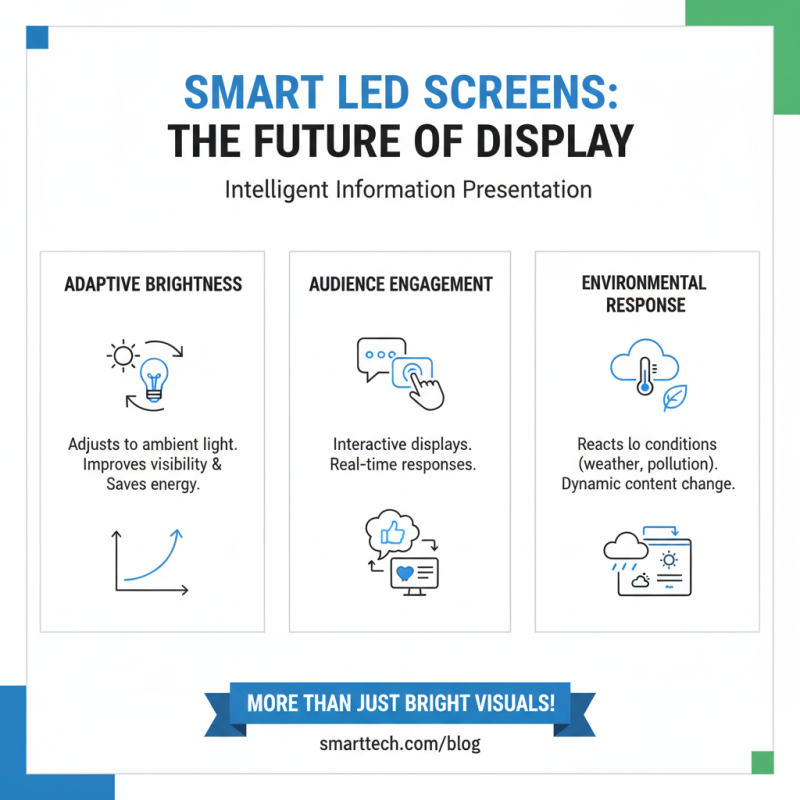
The evolution of LED display technology is shaping a new era. Customization is at the forefront. Businesses now seek unique solutions tailored to their specific needs. This shift includes versatile configurations and sizes that suit various applications. From sports arenas to retail environments, the demand is growing. Interactive LED displays are gaining traction too. They engage audiences in ways static displays cannot.
Tips for implementing customization: Consider the space. Measure dimensions carefully. Think about lighting conditions as well. These factors influence visibility and impact. Interactive features can enhance user experience. Touch screens or augmented reality elements can captivate viewers. However, they also come with challenges. User interface design requires careful planning. Ensure that user interactions are intuitive, or customers may feel frustrated.
As technology advances, expectations shift. Consumers want more from their displays. High-resolution images and vibrant colors are crucial. Yet, striking the right balance with reliability is vital. Overemphasis on flashy features can lead to overlooked maintenance. A focused approach will yield better long-term results. Strive for innovation while maintaining a connection to practical needs.
2026 Top Trends in LED Display Screen Technology: What to Expect?
| Trend |
Description |
Customization Level |
Interactivity |
Expected Impact |
| Enhanced Resolution |
Increased pixel density for clearer images. |
High |
Limited |
Improved visual quality in advertising. |
| Flexible Displays |
Bendable and rollable screens for unique shapes. |
Medium |
Moderate |
Versatile applications in architecture. |
| Interactive Screens |
Touch and gesture recognition technologies. |
High |
High |
Enhanced user engagement in marketing. |
| Energy-Efficient Solutions |
Lower power consumption without compromising quality. |
Low |
No |
Cost savings and sustainability benefits. |
| Augmented Reality Features |
Integration of AR for enhanced experiences. |
Medium |
High |
Transformative brand experiences. |
Impact of Environmental Sustainability on LED Display Design
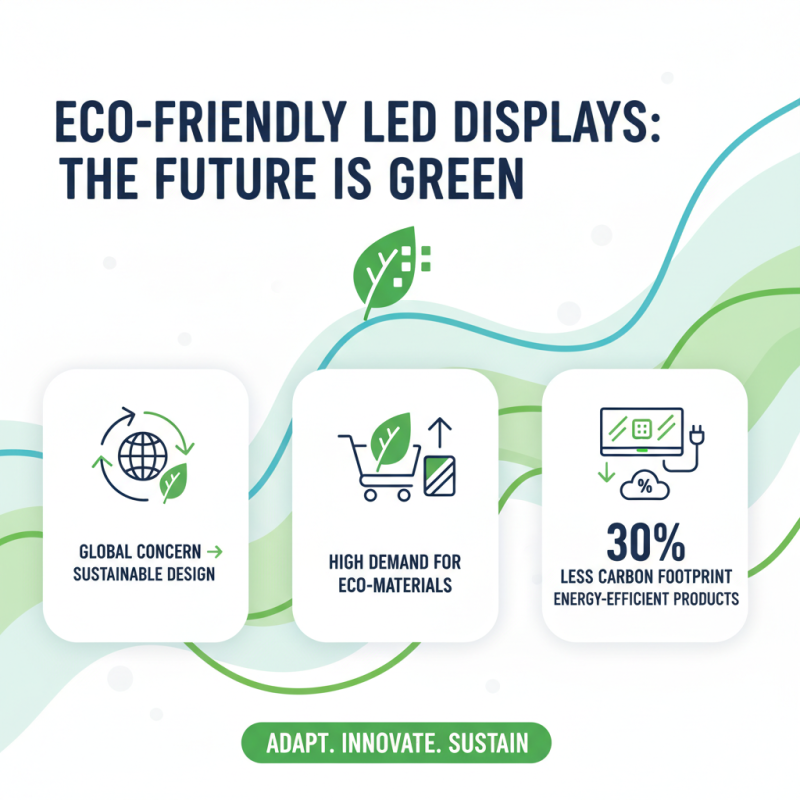
As environmental concerns grow, the LED display industry must adapt. Sustainability influences design choices significantly. A recent report indicates that eco-friendly materials are now in high demand. This shift leads to more energy-efficient products. Eco-design can reduce carbon footprints by up to 30%.
Manufacturers are exploring renewable resources. For instance, recycled plastics are becoming commonplace. However, challenges remain. Not all companies prioritize sustainable practices. While some invest in green technologies, others lag behind. A focus on affordability often overshadows environmental consideration.
The lifecycle of LED displays needs attention. Extended durability can minimize waste. Yet, many displays still end up in landfills early due to rapid technology changes. Stakeholders must learn from these issues to create lasting solutions. Engaging with communities can also drive sustainable innovations. The future of LED design lies in balance—between technology and the planet's health.

 +86-750-3598205
 CONTACT NUMBER