Best Aluminum Seg Light Box Options for Stunning Displays?
When it comes to display solutions, the "Aluminum Seg Light Box" stands out for its innovation and visual appeal. Expert Daniel Fischer, a recognized leader in the signage industry, once stated, “The right display can transform any space, making it unforgettable.” This highlights the powerful impact a well-designed light box can have.
Aluminum Seg Light Boxes are increasingly popular due to their sleek design and vibrant graphics. These lightweight frames allow for easy installation and replacement of graphics, making them versatile for different events. However, choosing the right option can feel overwhelming. With various sizes and styles on the market, it's crucial to reflect on the specific needs of your display.
Moreover, while Aluminum Seg Light Boxes offer remarkable advantages, they also come with challenges. Durability, brightness, and color fidelity can vary across brands. It's essential to explore user reviews and product specifications thoroughly. Balancing aesthetics with functionality is key for making the best choice.
Best Aluminum Seg Light Box Features for High-Impact Marketing
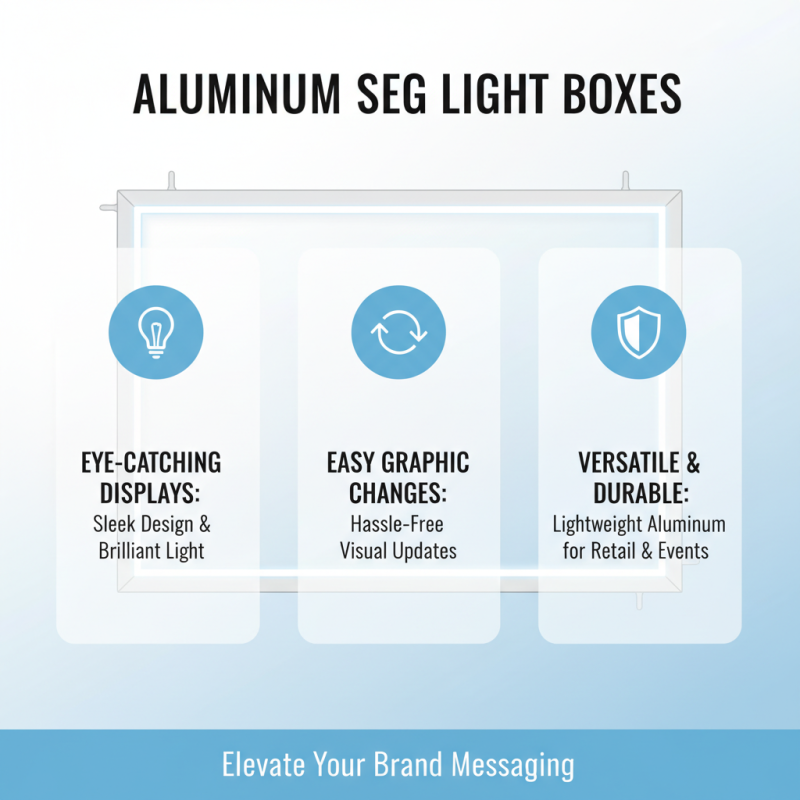
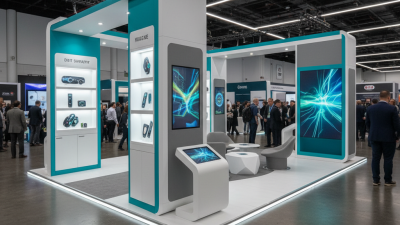
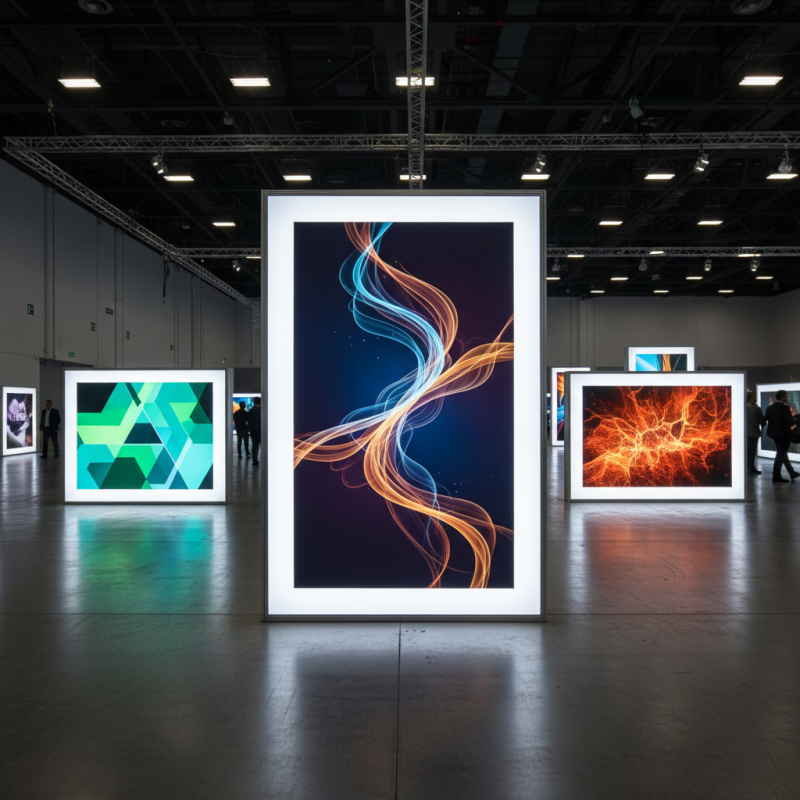
Aluminum SEG light boxes are becoming a staple for eye-catching displays. These fixtures offer a sleek design and vibrant illumination, ideal for marketing. With their easy-to-change graphics, brands can refresh visuals without hassle. The lightweight properties of aluminum make these light boxes suitable for various settings, from retail spaces to trade shows.
Key features of a good SEG light box include bright LED lighting. This ensures colors pop, drawing attention effectively. Also, consider the ease of assembly. Some designs can be set up quickly, which is beneficial for busy marketers. Weight distribution is important too; a sturdy base prevents tipping. Brightness adjustments can enhance visibility without overpowering the surroundings.
Reflecting on choices, users might find themselves overwhelmed by options. Not all materials are equal, so quality matters. Some light boxes may look appealing but lack durability. Understanding how to maintain these displays is crucial. Regular inspections for wear and tear can prolong their life. A thoughtful approach can lead to more impactful marketing efforts.
Comparative Analysis of Aluminum Seg Light Box Sizes and Applications
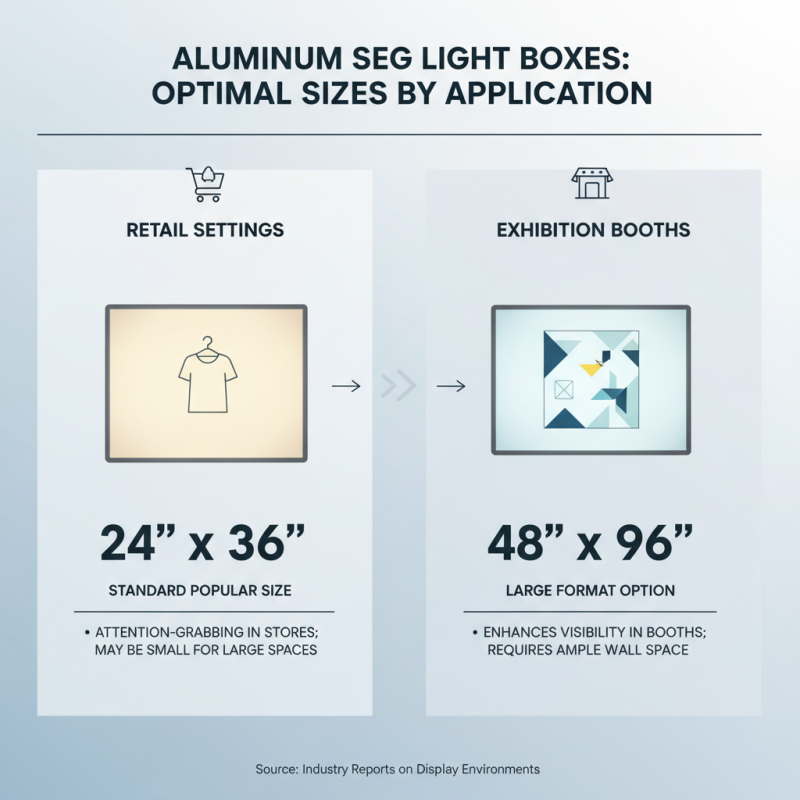
When assessing aluminum SEG light boxes, size and application matter greatly. According to industry reports, the most effective sizes can vary significantly based on the display environment. For retail settings, a standard size of 24”x36” tends to be popular. This size captures attention but may fall short in larger spaces. Conversely, for exhibition booths, larger options like 48”x96” can enhance visibility. However, they require ample wall area and may be impractical in smaller venues.
Application is equally crucial. SEG light boxes are typically used in events, retail, and hospitality. In a study by the Display Industry Association, it was found that illuminated displays attract 80% more foot traffic than traditional signage. Yet, the maintenance of these displays can pose challenges. Regular light checking and the need to replace graphics create ongoing costs. Additionally, changing light bulb types or LED strips may lead to inconsistencies in brightness and color over time.
Selecting the right size and application demands careful consideration. While some may favor striking visuals, practicality should not be overlooked. The experience of design elements and spatial arrangement can prove just as impactful as the light box itself. Therefore, finding a balance is essential. Ultimately, understanding these factors can significantly influence the effectiveness of any display.
Cost-Benefit Evaluation of Investing in Aluminum Seg Light Boxes
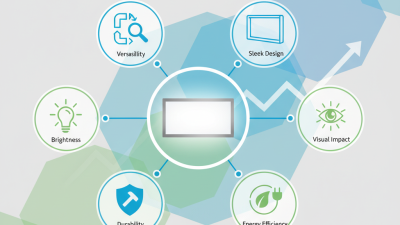
Investing in aluminum SEG light boxes can be a smart choice for businesses looking to elevate their visual displays. These light boxes are lightweight and durable, making them ideal for various settings. The vibrant illumination behind graphics grabs attention effectively. However, potential buyers should consider the initial costs versus long-term benefits carefully. The lighting's energy efficiency can lead to significant savings over time.
The versatility of aluminum SEG light boxes is another aspect to evaluate. They can be easily updated with new graphics, allowing for fresh displays without needing to replace the entire setup. Yet, this flexibility comes with a price. Some may find it challenging to balance the upfront investment with ongoing marketing needs. The initial allure of stunning visuals should be weighed against budget constraints.
While the benefits are appealing, it’s important to reflect on the overall practicality. Are these light boxes truly the best option for your specific needs? Responsiveness to changing marketing trends is critical. Choosing the wrong display system can lead to wasted resources. Assessing how often updates are needed can impact the decision significantly. Each business must consider its unique context.
Best Aluminum Seg Light Box Options for Stunning Displays
| Model |
Size (inches) |
Brightness (Lumens) |
Material |
Price ($) |
Warranty (years) |
| Model A |
24 x 36 |
2000 |
Aluminum |
150 |
2 |
| Model B |
30 x 40 |
2500 |
Aluminum |
200 |
3 |
| Model C |
36 x 48 |
3000 |
Aluminum |
250 |
2 |
| Model D |
20 x 30 |
1800 |
Aluminum |
120 |
1 |
Trends in Illumination Technology for Aluminum Seg Light Boxes
The landscape of illumination technology has evolved significantly, particularly in aluminum SEG light boxes.
LED lights are now the preferred choice. Their brightness is unmatched.
This innovation not only enhances visibility but also ensures energy efficiency.
With newer technology, lights can be adjusted to fit various display environments.
Recent trends highlight the importance of color temperature.
Cooler tones can create a clean, modern look. Warmer tones can evoke a sense of comfort.
Visual impacts vary based on these choices. Moreover, the integration of smart technology allows for
remote control of lighting settings. This presents opportunities for dynamic displays.
However, artists and designers often face challenges in maintaining consistency in colors.
Durability is also a crucial aspect. Investing in quality materials can
mitigate long-term issues, but it's often overlooked. Regular maintenance is vital
to keep displays looking vibrant. Adapting to innovations in illumination requires
constant evaluation and a willingness to experiment. The journey to perfecting
display aesthetics is ongoing.
Environmental Considerations in the Production of Aluminum Light Boxes
When considering aluminum light boxes, environmental impact plays a crucial role. The production process of aluminum can be energy-intensive. Mining and refining bauxite—the main aluminum ore—has significant ecological consequences. Habitat destruction and high energy consumption are common issues.
In recent years, some manufacturers are working to reduce their carbon footprint. They are exploring sustainable practices, like using recycled aluminum. This approach not only cuts down on waste but also minimizes the energy required for production. However, not all companies prioritize these practices, and consumers must remain vigilant.
Some light box options may claim eco-friendliness, but the underlying production methods can still be harmful. Buying locally can be a better choice, reducing transportation emissions. Examining the source of materials is essential for a truly sustainable display solution. Each decision impacts the environment—being mindful of this is crucial in today's world.
Environmental Impact of Aluminum Light Boxes
This chart displays the environmental impact of aluminum light boxes based on various factors, with a score from 1 to 10 indicating the level of concern for each factor. A higher score illustrates a greater environmental consideration, helping inform sustainable display choices.

 +86-750-3598205
 CONTACT NUMBER