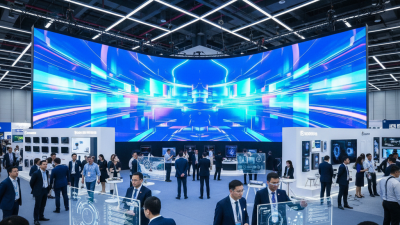
How to Choose the Right LED Video Wall?
Choosing the right Led Video Wall requires more than comparing screen sizes and prices. It demands a clear understanding of the venue, audience, content, and operating conditions. A display that looks impressive in a showroom may appear weak beside a sunlit entrance. Another may deliver excellent images but create costly maintenance problems later.
This guide explores practical factors that influence a reliable decision. Pixel pitch affects image sharpness and viewing distance. For close audiences, fine pixels usually create smoother text and faces. For large halls, a wider pitch may provide better value. Brightness, refresh rate, contrast, color accuracy, and viewing angles also deserve careful attention. Outdoor projects need weather protection, stable brightness, and strong cabinet construction. Indoor installations may focus more on quiet operation and seamless design.
The room matters.
Real project experience shows that content should shape the specification. Fast sports footage needs smooth motion. Detailed control-room graphics need consistent color and readable text. Ask suppliers for test footage, measured brightness data, service procedures, and warranty terms. Independent certifications can strengthen confidence, but they should not replace hands-on testing. A reputable manufacturer should explain module replacement, spare-part access, power use, and software support in plain language.
There is no perfect checklist. Budget pressure can make a lower-priced Led Video Wall seem attractive, yet hidden service costs may change the calculation. Measure viewing distances, inspect the installation site, and question optimistic promises. Careful choices are rarely rushed. They are tested, documented, and reviewed before purchase.
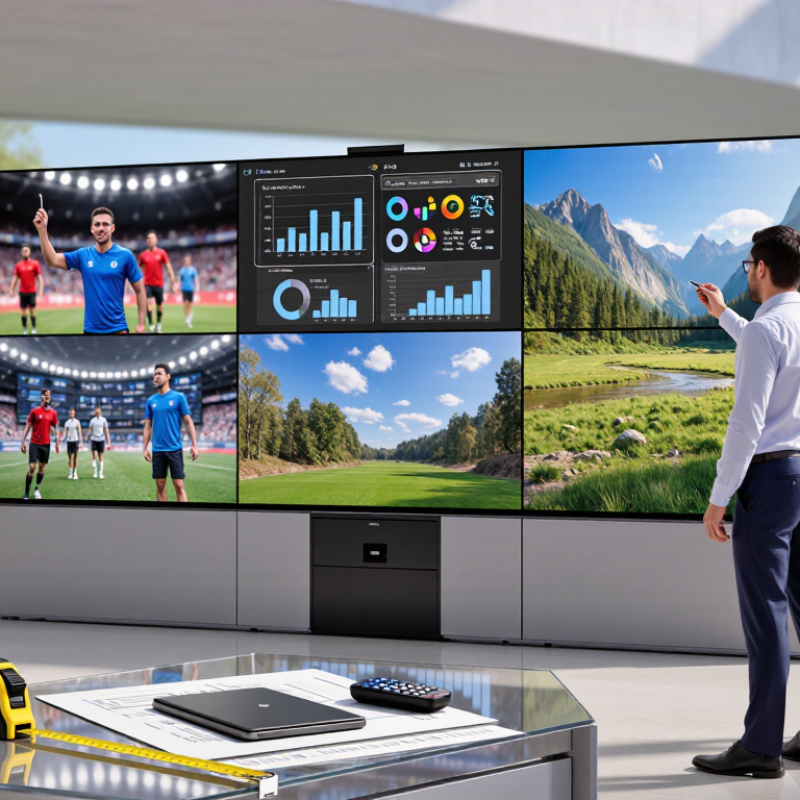
Define the Purpose, Location, and Audience for Your LED Video Wall
How to Choose the Right LED Video Wall?
Define the purpose before comparing screen specifications. A retail entrance may need bright motion graphics, while a conference room needs readable charts and natural skin tones. Purpose changes everything. Write down the main content, operating hours, and expected viewing distance. A narrow message can work with a smaller pixel pitch. Detailed maps usually need finer resolution. In real installations, teams sometimes buy excessive brightness for indoor spaces. That choice can create glare and waste energy.
Location determines durability and installation design. Measure the wall, ceiling height, viewing angles, and available service space. Outdoor displays need weather protection, strong brightness, and temperature management. Indoor units may require quieter cooling and lower luminance. Check power capacity before delivery. A beautiful screen is not useful if the building cannot support its electrical load. Leave access for maintenance. This detail is often forgotten.
The audience should guide readability and content speed. Commuters need large text that can be understood quickly. Museum visitors may stand closer and examine finer images. Consider age, mobility, language, and average dwell time. Test sample content from the farthest viewing position. Do not trust a specification sheet alone. It cannot show how people react in a crowded, reflective space. A small trial may reveal awkward brightness, weak contrast, or content that changes too quickly. That feedback can challenge the original plan, which is valuable.
Check Installation Design, Durability, Maintenance, and Power Needs
How to Choose the Right LED Video Wall?
Installation design should begin with the building, not the display cabinet.
Measure viewing distance, wall loading, ventilation, cable routes, and service access. A 3-by-2-meter wall rated at 600 watts per square meter may require 3.6 kilowatts at peak brightness. Add roughly 20% electrical headroom for safer operation. Ask for typical and maximum power figures. They are not the same.
The U.S. Department of Energy’s 2023 Solid-State Lighting R&D Opportunities report shows laboratory LED efficacy above 200 lumens per watt. However, complete video walls lose energy through drivers, processing, cooling, and brightness control.
Durability depends on the environment.
For outdoor use, check the enclosure’s IP rating under IEC 60529, plus temperature, humidity, wind, and salt exposure. Indoor walls still need airflow and stable mounting. IEC 62368-1 can help assess equipment safety. Review thermal cycling, ingress testing, and operating temperature records. A lower-cost cabinet may become expensive when heat damages power supplies. It happens.
Maintenance should be designed before purchase.
Front service is useful in galleries or retail spaces with limited rear access. Rear access may simplify larger repairs. Keep compatible spare modules, receiving cards, and power supplies nearby.
The IEA’s Energy Efficiency 2023 report highlights LED efficiency gains, but efficiency alone cannot predict display energy use. Content brightness matters greatly. White-heavy content can increase demand quickly. I would also question vague lifetime claims. Ask whether the figure refers to module failure, brightness depreciation, or total wall availability.
Assess Control Systems, Budget, Warranty, and Supplier Support
How to Choose the Right LED Video Wall?
Assess Control Systems, Budget, Warranty, and Supplier Support
A reliable LED video wall begins with its control system, not its cabinet size. Check processor compatibility, refresh rate, calibration tools, and remote monitoring. For live events, frame synchronization and backup signal paths matter. A single failed processor can darken an entire display. AVIXA’s 2024 Industry Outlook and Trends Analysis forecasts professional AV revenue above 350 billion dollars by 2028. That growth raises expectations for stable, serviceable installations. Test the system with real content, including thin text, camera feeds, and fast motion.
Budget beyond the purchase order. Include structural work, power distribution, commissioning, spare modules, software licenses, and technician visits. The U.S. Department of Energy reports that LED lighting products can use at least 75% less energy than incandescent lighting and last up to 25 times longer. LED video walls differ from lamps, but the lesson remains useful: operating cost deserves measurement. Ask for brightness, power, and maintenance figures at your intended operating schedule. Do not trust peak specifications alone.
Warranty language needs uncomfortable detail. Does it cover dead pixels, brightness drift, receiving cards, labor, and shipping? What response time applies after a critical failure? Supplier support should include documented escalation routes, local replacement stock, training, and remote diagnostics. A one-year warranty may look affordable. It may also be inadequate. I would request a written five-year cost model and a site acceptance test. My own checklist has missed cable access before; that mistake made routine repairs slower and more expensive. Planning is never perfect. Test it anyway.
How to Choose the Right LED Video Wall?
A practical 100-point procurement framework for assessing control systems, budget, warranty, and supplier support.
Budget and total cost of ownership should include the display modules, control hardware, installation, power consumption, maintenance, and replacement parts. Control-system compatibility, warranty coverage, response time, spare-parts availability, and supplier technical support should also be reviewed before purchase.

 +86-750-3598205
 CONTACT NUMBER