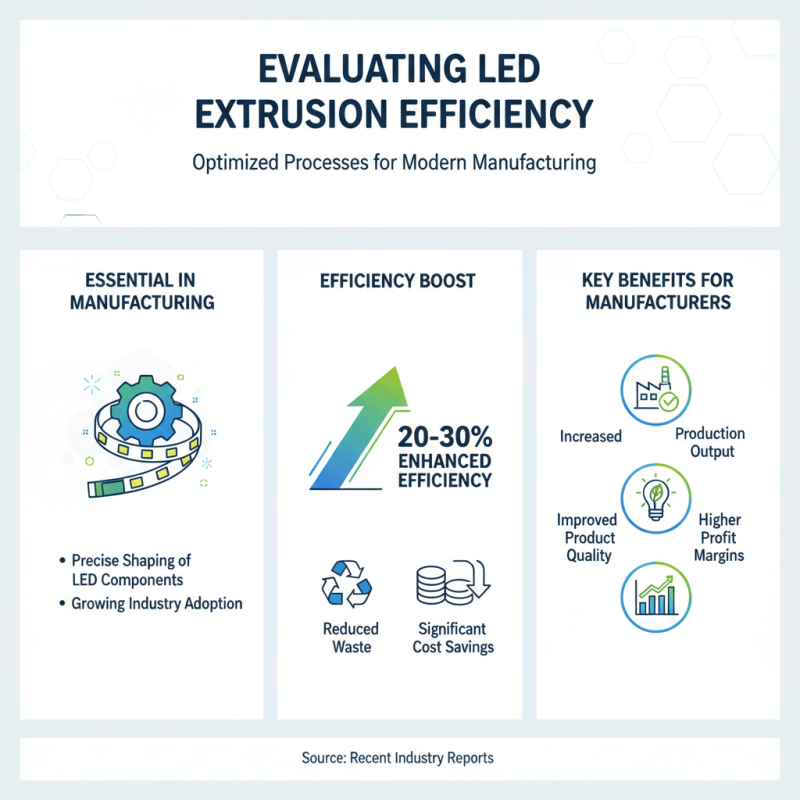
Led Extrusion Tips for Efficient and Cost Effective Procurement
In the dynamic world of Led Extrusion, efficiency and cost-effectiveness are crucial. Industry expert Dr. John Harrison once stated, “Understanding the procurement process can save companies time and money.” His insights highlight the importance of optimizing procurement approaches in the Led Extrusion sector.
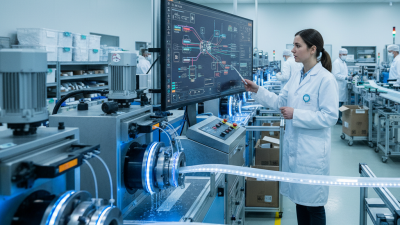
Led Extrusion involves specialized techniques for producing LED components. Streamlined procurement practices can reduce wasted resources. This not only enhances profitability but also improves sustainability. Companies often struggle to balance costs with quality. A clear strategy is needed to navigate these challenges.
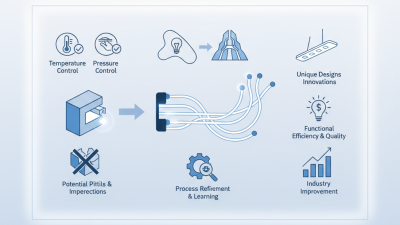
Effective procurement in Led Extrusion requires collaboration and knowledge sharing. It's essential to stay updated on industry trends and technologies. Learning from past mistakes can lead to better decision-making. Embracing innovation while maintaining quality standards is vital for long-term success. Engaging with trusted suppliers can foster better partnerships and improve efficiency.
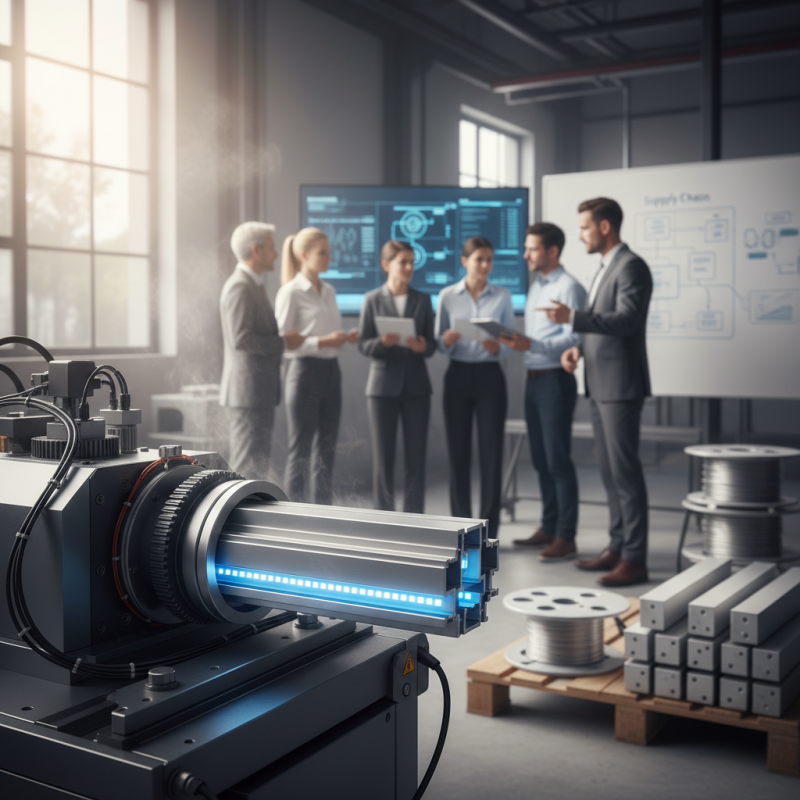
Understanding LED Extrusion: Basics and Applications
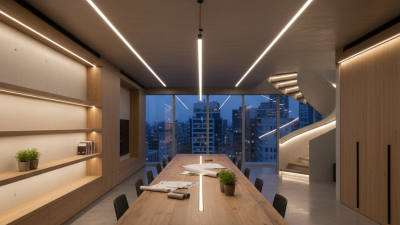
LED extrusion is an innovative technique that shapes light-emitting diodes into flexible structures. It is widely applied in architectural lighting, automotive components, and commercial displays. Understanding the basics of LED extrusion helps in grasping its versatility.
According to a recent industry report by the U.S. Department of Energy, LED technologies continue to improve energy efficiency by about 35% compared to traditional lighting. This data underscores the advantages of adopting LED solutions.
When procuring LED extrusions, consider these tips:
Analyze your project requirements carefully. Different applications demand unique designs, materials, and lighting qualities. For example, an architectural application may require high durability, while decorative fixtures may prioritize aesthetics.
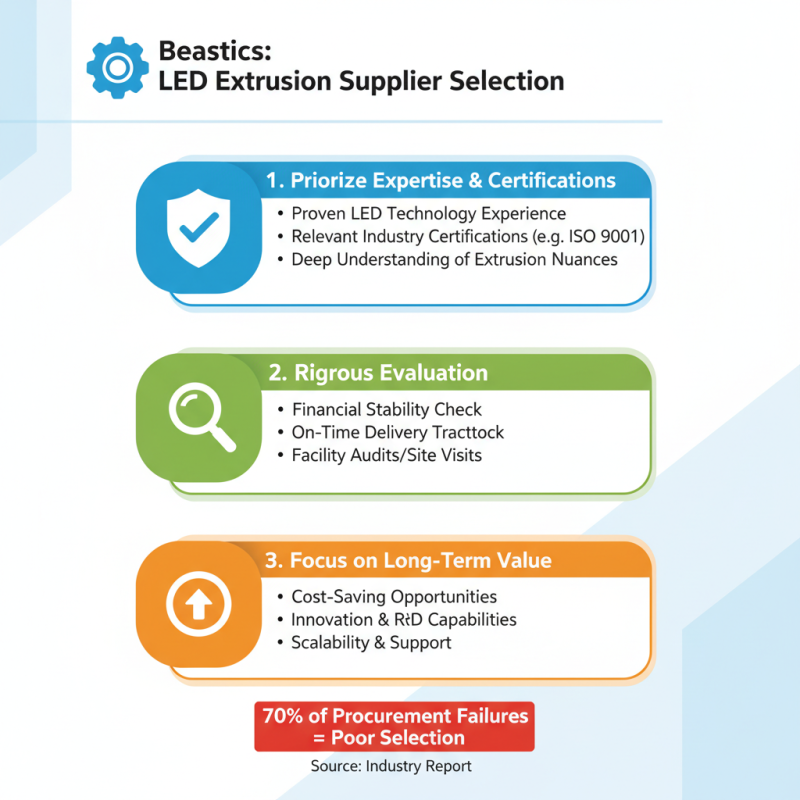
Additionally, evaluate suppliers' capabilities and certifications to ensure quality.
Statistics show that projects that assess supplier reliability save an average of 20% on production costs.
Testing prototypes is also a crucial step. Many purchasers overlook this phase, risking project delays and cost overruns. Real-world trials reveal how these extrusions perform in various environments. Awareness of potential challenges can prevent costly mistakes.
Be open to feedback and iterate on designs based on performance data. Embracing flexibility in this process often leads to more efficient outcomes.
Key Factors in Choosing LED Extrusion Materials
When selecting LED extrusion materials, several key factors must be considered. The choice of materials affects not only the performance but also the longevity of the product. For instance, the thermal conductivity of the material plays a critical role. High-quality materials dissipate heat effectively, preventing LED components from overheating. This ensures improved performance over time.
Another vital factor is the light transmission quality of the extrusion. Clear and optimized materials allow maximum light output. However, low-quality materials can diffuse or tint the light, leading to reduced efficiency. It’s important to verify the optical clarity of the chosen extrusion. Testing under various conditions can provide insight into potential issues.
Additionally, consider the cost-effectiveness of the materials. While cheaper options may seem appealing, they might not offer durability. Investing in reliable materials can lead to long-term savings. Sometimes, a more expensive initial investment yields better performance and fewer failures. This aspect requires careful balance and reflection on your true needs and budget constraints.
LED Extrusion Material Procurement Cost Analysis
Cost-Saving Strategies for LED Extrusion Procurement
In recent years, LED extrusion has gained popularity for its efficiency and versatility. However, managing procurement costs in this sector can be challenging. Here are some cost-saving strategies for LED extrusion procurement.
One effective tip is to consider bulk purchasing. Buying materials in large quantities often results in lower unit prices. This strategy requires careful forecasting of future needs. It also involves assessing your storage capabilities. Be wary of overstocking. Balancing inventory levels is crucial to avoid waste.
Another approach is to streamline your supplier network. Working with multiple suppliers can lead to price fluctuations and inconsistencies. Instead, focus on building strong relationships with a few trusted vendors. This can enhance negotiation power. Regular communication about pricing and market trends can also lead to cost savings.
Lastly, invest in training for your procurement team. Understanding the technical aspects of LED extrusion can foster better decision-making. An informed team is capable of identifying potential cost-saving opportunities. Continuous learning in this field can make a significant difference.
Led Extrusion Tips for Efficient and Cost Effective Procurement - Cost-Saving Strategies for LED Extrusion Procurement
| Strategy |
Description |
Potential Savings (%) |
Duration for Implementation (Weeks) |
| Bulk Purchasing |
Purchase larger quantities to negotiate better rates with suppliers. |
10-20% |
4 |
| Supplier Diversification |
Evaluate multiple suppliers to find the best price and quality. |
5-15% |
6 |
| Long-Term Contracts |
Secure pricing over a period to avoid market fluctuations. |
15-25% |
8 |
| Material Standardization |
Limit the variety of materials to streamline procurement and reduce costs. |
5-10% |
3 |
| Negotiation Training |
Train staff on negotiation techniques to secure better deals. |
5-15% |
5 |

 +86-750-3598205
 CONTACT NUMBER