Why Led Extrusion is the Best Choice for Efficient Lighting Solutions
In recent years, the demand for energy-efficient lighting solutions has surged, driven by both environmental concerns and the rising costs of energy. According to the U.S. Department of Energy, LED technology is expected to account for nearly 75% of the global lighting market by 2030, showcasing a significant shift towards smarter and more sustainable options. Among the various LED technologies available, "Led Extrusion" stands out as a highly versatile and efficient solution for modern lighting needs.
Industry experts have recognized the advantages of Led Extrusion in providing uniform light distribution, while enhancing the aesthetic appeal of residential and commercial spaces. As noted by Dr. Emily Harper, a lighting specialist at the International Association of Lighting Designers, "Led Extrusion not only optimizes energy use but also offers endless design possibilities." This innovative approach enables architects and designers to incorporate lighting seamlessly into their projects, resulting in enhanced visual comfort and functionality.
Furthermore, Led Extrusion systems can significantly reduce maintenance costs due to their durability and longevity, with some products lasting over 50,000 hours. As the world transitions to more sustainable practices, embracing Led Extrusion technology becomes not only a logical choice for efficiency but also a necessity for driving the future of lighting design.
Understanding LED Extrusion Technology for Lighting
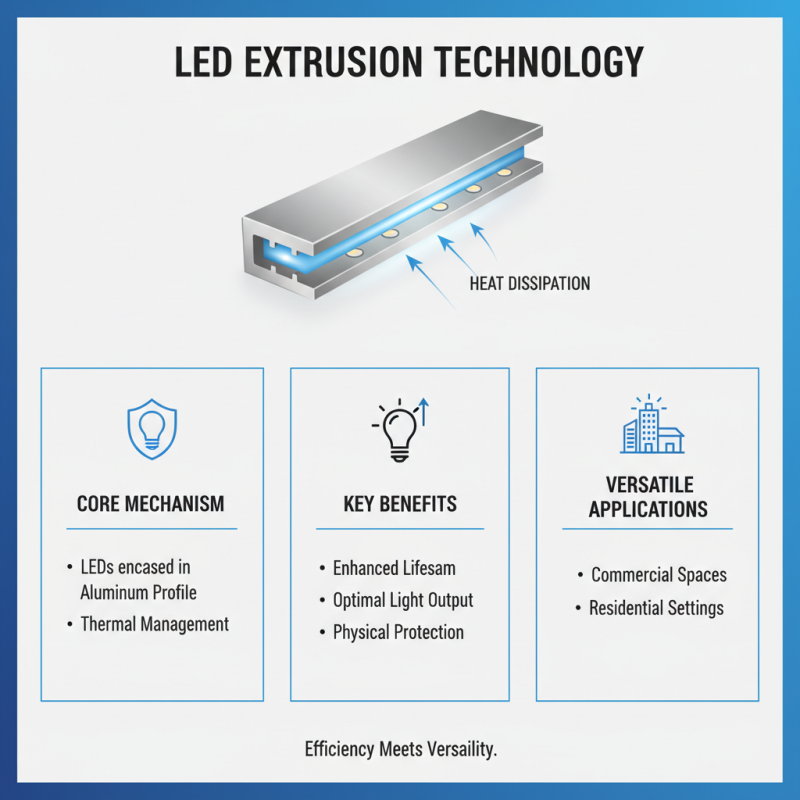
LED extrusion technology represents a significant advancement in efficient lighting solutions, combining functionality with versatility. At its core, LED extrusion involves the process of encasing LED lights within an aluminum profile, which allows for effective heat dissipation and enhances the lifespan of the lighting system. This design not only protects the LEDs but also facilitates optimal light output, making it ideal for various applications, from commercial spaces to residential settings.
The benefits of LED extrusion extend beyond just thermal management. The design allows for customizable lengths and shapes, affording architects and designers the flexibility to create unique lighting aesthetics that suit modern building requirements. Additionally, the diffusion properties of the materials used in LED extrusion units help in softening harsh light, creating a more pleasant ambiance. This technology not only ensures greater energy efficiency but also supports sustainable practices by reducing energy consumption and minimizing the frequency of replacement. Such attributes solidify LED extrusion as a leading choice for both functional and decorative lighting solutions.
Advantages of LED Extrusion in Energy Efficiency
LED extrusion has emerged as a leading technology in the realm of energy-efficient lighting solutions. One of the primary advantages of LED extrusion is its remarkable energy efficiency compared to traditional lighting options. By utilizing a more directed light output, LED extrusions minimize wasted energy and increase luminous efficacy, allowing for brighter illumination with less power consumption. This not only translates to lower energy bills for consumers but also significantly reduces the overall carbon footprint associated with lighting.
Furthermore, the longevity of LED extrusions enhances their energy efficiency. Unlike conventional bulbs that may require frequent replacements, LED extrusions can last tens of thousands of hours. This durability means less energy is consumed over time for manufacturing, packaging, and transportation of replacement bulbs, creating a more sustainable approach to lighting. Additionally, their ability to operate in a variety of environments without a significant loss in performance makes them an ideal choice for both residential and commercial applications, ensuring that energy-efficient lighting is accessible to all.
Why Led Extrusion is the Best Choice for Efficient Lighting Solutions - Advantages of LED Extrusion in Energy Efficiency
| Aspect |
Description |
Energy Efficiency (%) |
Lifespan (Hours) |
Heat Emission (°C) |
| Lumens per Watt |
High output efficiency |
80-120 |
50,000 |
< 60 |
| Energy Consumption |
Lower energy usage compared to traditional options |
50-70 |
50,000 |
< 60 |
| Sustainability |
Environmentally friendly materials |
n/a |
50,000 |
n/a |
| Customization |
Easily adaptable designs for various applications |
n/a |
50,000 |
n/a |
| Cost Efficiency |
Reduced long-term operational costs |
n/a |
50,000 |
n/a |
Applications of LED Extrusion in Modern Lighting Solutions
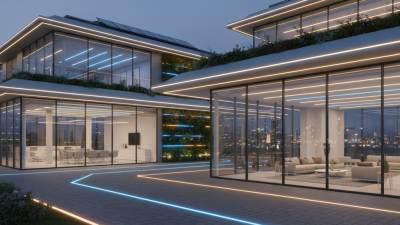
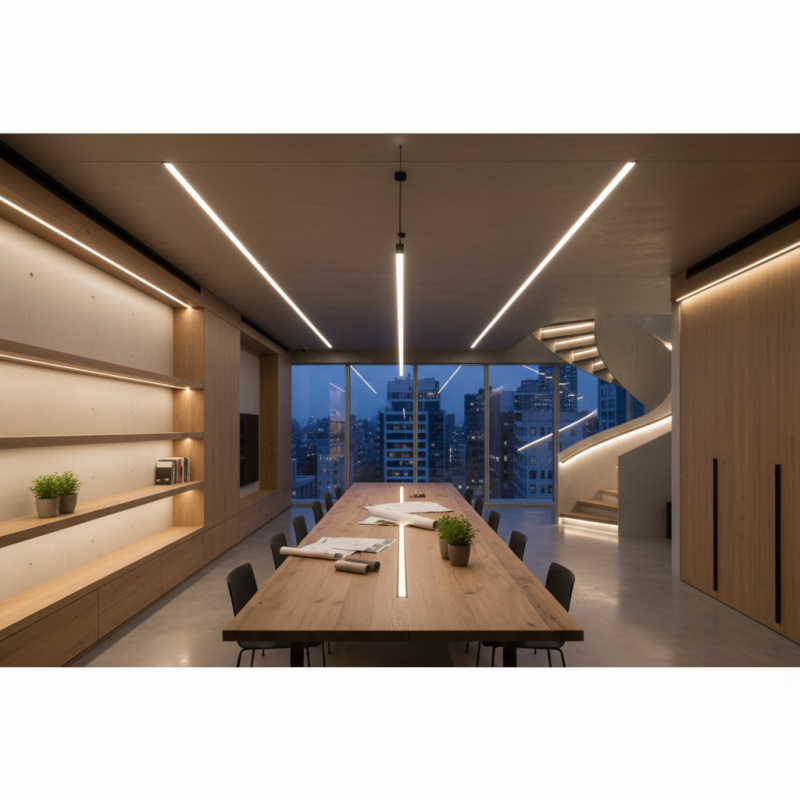
LED extrusion has revolutionized various applications in modern lighting solutions, offering versatility and efficiency. One of the key applications is in architectural lighting, where LED extrusion profiles are used to create seamless and customizable light installations. These profiles can be integrated into walls, ceilings, and floors, providing a sleek and modern aesthetic while ensuring even light distribution.
This adaptability allows designers to achieve unique lighting effects that enhance the ambiance of residential and commercial spaces alike.
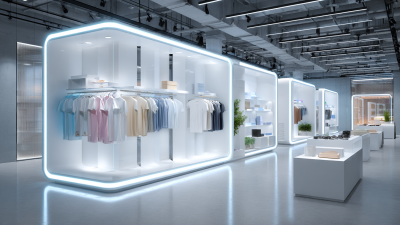
Another significant application is in retail and display lighting. LED extrusions can be easily installed in shelves, showcases, and signage, delivering focused and attractive illumination that highlights products effectively. The flexibility of these extrusions allows them to be used in various shapes and sizes, making it simple to create tailored lighting solutions that draw attention while improving the overall shopping experience.
Furthermore, the energy efficiency of LED technology ensures that businesses can maintain high-quality lighting while reducing their operational costs, making LED extrusion an ideal choice in the competitive retail environment.
Comparative Analysis: LED Extrusion vs. Traditional Lighting Methods
LED extrusion has emerged as a superior lighting solution compared to traditional lighting methods due to its numerous advantages in efficiency and sustainability. According to a report published by the U.S. Department of Energy, LED lighting is known to be up to 80% more efficient than conventional incandescent lights, translating into significant energy savings. This increase in efficiency not only reduces electricity bills but also decreases the carbon footprint associated with lighting applications. Furthermore, LED extrusions, which provide a seamless integration of lights into architectural designs, allow for targeted illumination, enhancing both aesthetics and functionality.
In contrast, traditional lighting methods, such as fluorescent and incandescent bulbs, often struggle with a shorter lifespan and higher maintenance costs. The National Lighting Bureau has indicated that while an incandescent bulb typically lasts about 1,000 hours, LEDs can operate for over 25,000 hours, drastically reducing the frequency of replacements and associated labor costs. Additionally, the lower heat emission of LED systems mitigates the risk of overheating, making them safer for various applications. Thus, the transition to LED extrusion not only aligns with modern energy efficiency standards but also enhances overall lighting performance and longevity, paving the way for broader adoption in both residential and commercial sectors.
Future Trends and Innovations in LED Extrusion Lighting
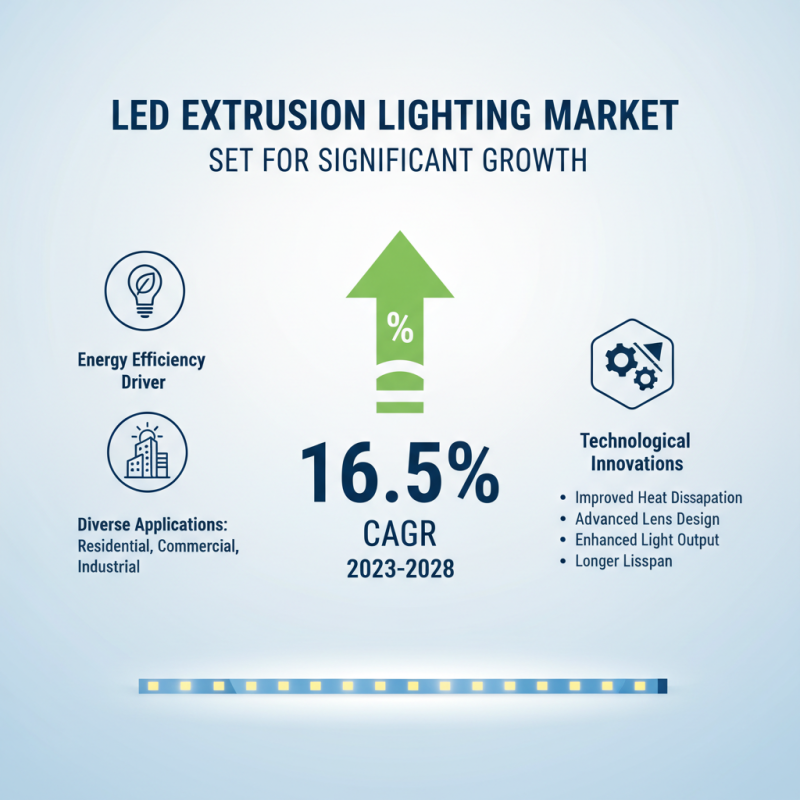
The LED extrusion lighting market is poised for substantial growth, with recent reports projecting a compound annual growth rate (CAGR) of 16.5% through 2028. This expansion is driven by an increasing demand for energy-efficient lighting solutions across various applications, including residential, commercial, and industrial sectors. Innovations in LED extrusion technologies promise to further enhance not just energy efficiency but also design versatility. For instance, advancements in heat dissipation techniques and lens design are set to improve light output and maintain lumen levels over extended periods, which is critical for ensuring longevity.
Moreover, as smart home technologies continue to evolve, integrating LED extrusion lighting into these ecosystems becomes more seamless. The potential for connected lighting systems allows users to customize their lighting settings according to mood, activity, or even natural light variations throughout the day. Market research indicates that nearly 50% of consumers are interested in smart lighting features, highlighting a trend towards more interactive and energy-efficient solutions. As sustainability becomes a greater priority, LED extrusion lighting not only meets these demands but also aligns with global initiatives to reduce carbon footprints.
Tips: When considering LED extrusion lighting, focus on products that offer adjustable color temperatures and dimmability features, as these can help create the desired ambiance while optimizing energy consumption. Additionally, look for extrusion fixtures with higher IP ratings for durability in various environments, ensuring longevity and reduced maintenance costs.

 +86-750-3598205
 CONTACT NUMBER