Leave Your Message

2026 Top LED Profiles Which Type Should Buyers Choose?

Choosing the right Led Profiles in 2026 requires more than comparing prices, finishes, and LED strip compatibility. Buyers must examine heat dissipation, diffuser performance, installation depth, IP protection, light distribution, and long-term material stability. A slim aluminum profile may look elegant, yet it can fail when the channel cannot release heat from high-output strips.

Lighting expert Craig DiLouie offers a practical principle: “The right lighting system begins with the visual task, not the product label.” This idea applies directly to Led Profiles. A recessed profile may suit a clean ceiling line, while a surface-mounted model works better beneath cabinets or along furniture edges. Corner profiles can create a sharp 45-degree wash, but their limited space may complicate wiring and maintenance.

Details matter.

Experienced installers also check diffuser opacity, connector access, mounting clips, and replacement flexibility. High-CRI LED strips need a profile that protects color quality without producing harsh hot spots. Bathrooms, kitchens, and outdoor areas require stronger sealing and carefully matched accessories. Buyers should verify aluminum thickness, anodized coating quality, testing documentation, and supplier consistency before ordering large quantities.

There is no universal winner. That is the uncomfortable part. A profile that performs beautifully in a showroom may create glare in a real bedroom or overheat inside a narrow cabinet. This guide compares the leading Led Profiles for 2026, helping buyers match each type with its actual space, lighting goal, budget, and installation conditions. Some choices will still involve compromise. That is normal.
2026 Top LED Profiles Which Type Should Buyers Choose?

What Are LED Profiles and Why Do Buyers Need Them in 2026?

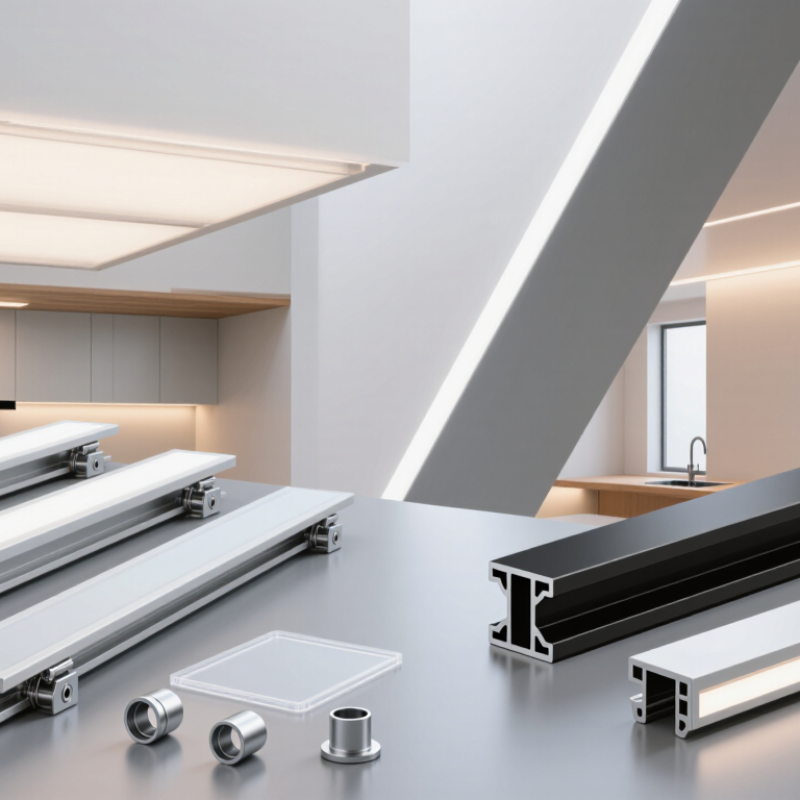
LED profiles are channels designed to hold, protect, and cool LED strips. Most use aluminum with a frosted or clear diffuser. The profile softens bright points and creates a continuous line of light. It also helps manage heat, which can affect LED life and color stability. The U.S. Department of Energy reports that LEDs use at least 75% less energy than incandescent lighting and can last up to 25 times longer. That performance still depends on proper installation.

Buyers need profiles because exposed strips collect dust, suffer impact damage, and often show uneven “dot” patterns. A profile creates a cleaner finish on cabinets, ceilings, stairs, and furniture. It also supports safer cable routing. The International Energy Agency estimates that lighting uses about 15% of global electricity, making efficient design increasingly important in 2026. Better heat control may protect that efficiency over time.

The right type depends on the installation surface. Recessed profiles suit flush ceilings and joinery. Surface-mounted versions work better where cutting is impossible. Corner profiles direct light across shelves or wall edges. Waterproof profiles are more suitable for humid areas, but an IP rating should match the real exposure, not marketing language. Buyers sometimes choose the thinnest channel for appearance. That can be a mistake. It may limit heat dissipation and diffuser performance. Check strip width, wattage per meter, diffuser transmission, mounting method, and cleaning access before ordering. Data source: U.S. Department of Energy, Solid-State Lighting; International Energy Agency, Energy Efficiency 2024.
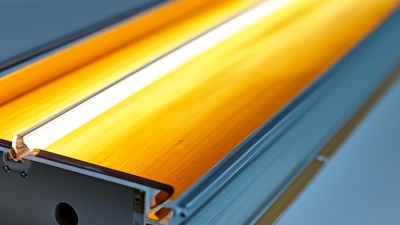
How LED Profiles Differ by Material, Shape, and Installation Method

2026 Top LED Profiles: Which Type Should Buyers Choose?

LED profiles differ most in material, shape, and installation method. Aluminum remains the practical choice for high-output strips because it transfers heat efficiently. Heat still matters. The U.S. Department of Energy’s 2023 Solid-State Lighting R&D Opportunities report identifies thermal management as a continuing performance priority. Plastic profiles cost less and resist corrosion, but they usually handle heat less effectively. Buyers should check strip wattage, profile depth, and diffuser transparency together.

Shape changes both appearance and light distribution. Recessed profiles create a clean line inside cabinets, walls, or ceilings. Surface-mounted channels suit concrete or finished surfaces. Corner profiles direct light toward shelves and worktops. A deeper channel often hides LED dots better, especially with dense strips. However, a frosted diffuser can reduce visible brightness. That trade-off is easy to underestimate.

Installation also affects reliability. Spring clips support removable installations, while screws provide stronger mechanical fixing on uneven surfaces. Adhesive backing is convenient, but dust, heat, and textured paint can weaken it. For bathrooms or outdoor areas, buyers should verify the complete system’s IP rating under IEC 60529, not trust the strip alone. The International Energy Agency reports that lighting uses about 15% of global electricity consumption, making efficient thermal design worthwhile. In practice, choosing by appearance first is a common mistake. Reflect on the environment before selecting the profile.

2026 Top LED Profiles: Which Type Should Buyers Choose? — How LED Profiles Differ by Material, Shape, and Installation Method
Profile Type Primary Material Typical Shape Common Installation Method Typical LED Strip Width Main Advantages Limitations Best-Suited Applications Buyer Selection Guidance
Surface-Mount Profile Anodized aluminum body with a plastic diffuser Rectangular or low-profile channel Directly screwed, clipped, or bonded onto a flat surface Usually about 8–20 mm, depending on the channel Simple installation; good heat dissipation; suitable for visible linear lighting Remains visible after installation; requires a reasonably flat mounting surface Cabinet undersides, shelves, ceilings, walls, furniture, and display fixtures Choose this type when easy access and a clearly defined light line are more important than concealment.
Recessed Profile Anodized aluminum body with a flush or slightly diffused cover U-shaped channel with side flanges Inserted into a routed groove or prepared recess Usually about 8–20 mm Creates a clean, integrated appearance; protects the LED strip; can reduce visible profile edges Requires accurate cutting or routing; installation is more difficult than surface mounting Cabinetry, wall panels, ceilings, joinery, stairs, and architectural details Choose this type when a nearly flush finish and concealed appearance are priorities.
Corner Profile Anodized aluminum body with a translucent diffuser Angled channel, commonly around 45° or 90° Mounted with screws, adhesive, clips, or corner brackets Usually about 8–16 mm Directs light diagonally; improves illumination in corners; simplifies installation at two-surface junctions Less suitable for flat, flush installations; corner dimensions must match the available space Under-cabinet corners, wardrobes, shelves, display cases, and wall-to-ceiling junctions Choose this type when the light needs to be aimed away from a corner or toward a work surface.
Suspended Profile Extruded aluminum body with a diffuser and suspension accessories Linear rectangular, square, or pendant-style channel Suspended from a ceiling with wires, rods, or dedicated mounting hardware Commonly about 10–24 mm Provides continuous linear lighting; can serve as a visible design element; allows light distribution at eye level Needs secure ceiling support and careful cable alignment; accessories increase installation complexity Offices, reception areas, retail spaces, dining areas, and decorative linear lighting Choose this type when the profile is intended to function as both a light source and a visible fixture.
Plaster-In Profile Aluminum profile with perforated or flanged edges for plaster or drywall finishing Recessed channel designed to merge with the surrounding surface Fixed to drywall or plaster substrate, then covered and finished Usually about 8–20 mm Produces a highly integrated architectural line; supports continuous, minimalist lighting effects Requires skilled finishing; access for future maintenance may be limited Gypsum ceilings, drywall walls, coves, niches, and modern architectural interiors Choose this type for new construction or renovation projects where the surface can be finished around the profile.
Flexible or Bendable Profile Flexible aluminum or polymer-based body, often paired with a flexible diffuser Curved, bendable, or adaptable channel Adhesive backing, clips, or mechanical fixing depending on the model Commonly about 6–16 mm Can follow curved surfaces; useful for rounded furniture and irregular architectural forms May have lower mechanical rigidity; bend radius and heat dissipation depend strongly on construction Curved counters, columns, arches, circular signage, and custom furniture Choose this type only after checking the required bend direction, minimum radius, and LED strip heat output.
Heavy-Duty Aluminum Profile Thick extruded aluminum, often anodized for surface protection Deep or wide rectangular channel with a larger heat-sinking area Surface-mounted or recessed with mechanical fasteners Often about 12–30 mm Improves thermal management; provides stronger mechanical protection; suitable for higher-power LED strips Heavier, deeper, and usually more expensive; requires sufficient installation space High-output task lighting, long operating hours, commercial interiors, and industrial displays Choose this type when LED power density, operating duration, or ambient temperature makes heat control important.
Polycarbonate Profile Polycarbonate body and diffuser Compact surface, corner, or flexible channel Adhesive, clips, or screws, depending on the design Commonly about 6–16 mm Lightweight; electrically nonconductive; resistant to impact; easy to cut and handle Transfers heat less effectively than aluminum; may be less rigid; maximum LED power must be checked Light-duty decorative lighting, compact furniture, protected installations, and impact-prone areas Choose this material when low weight, electrical insulation, or impact resistance is more important than maximum heat dissipation.
Water-Resistant Profile System Aluminum or polymer profile with sealed diffuser, end caps, and gaskets Closed channel, sealed tube, or gasketed linear housing Surface-mounted or recessed with sealed joints and suitable cable entry points Commonly about 8–20 mm Helps protect the LED strip from moisture, dust, and accidental splashing when correctly assembled Water resistance depends on the complete system and installation; sealing can complicate maintenance Bathrooms, kitchens, covered outdoor areas, wet zones, and refrigerated displays Check the tested IP rating of the complete assembly rather than relying on the profile material alone.

Notes: Dimensions are typical market ranges and vary by profile design. Aluminum generally provides substantially better heat conduction than polymer materials, while the final thermal performance depends on LED power, installation surface, ambient temperature, and ventilation. IP protection is determined by the complete assembled system, including the diffuser, end caps, cable entries, and installation quality.

Which LED Profile Types Suit Different Lighting Applications?

Choosing an LED profile starts with the lighting task, not its appearance. Recessed profiles suit clean ceilings, cabinetry, and wall niches where the channel should disappear. They need accurate cutting and enough cavity depth. Surface-mounted profiles work better on solid ceilings or finished furniture. They install faster, but their visible edge can change the room’s visual balance. For shelves and wardrobes, slim profiles create continuous light without bulky hardware. Small details matter.

Corner Profiles Corner profiles direct light across splashbacks, display cases, and stair edges. Their angled form reduces harsh reflections on glossy surfaces.

Suspended Profiles Suspended profiles work well above desks, counters, and long dining tables. They spread light widely with a suitable diffuser. However, suspension height affects glare and shadows, so a mock-up is worth the effort.

Choosing by length alone is risky. That is a common mistake.

Wet areas and outdoor locations require profiles, connectors, and LED strips with compatible protection ratings. Check the complete assembly, not just one component. Aluminum channels can transfer heat away from the strip, supporting more stable performance over time. Select the diffuser after considering brightness, dot visibility, and maintenance access.

Installers should confirm dimensions, cable routes, and cleaning conditions before ordering. I have seen attractive layouts fail because the diffuser softened the light too much.

The less elegant option may be easier to service. Buyers should compare the application, installation method, thermal path, and replacement plan together.

How to Compare LED Profiles by Performance, Durability, and Appearance

2026 Top LED Profiles: Which Type Should Buyers Choose?

Choosing an LED profile starts with performance, not a catalog photograph. Compare heat management, optical output, and installation limits. An aluminum profile should move heat away from the strip, especially above 12 watts per meter. Ask for thermal data at the intended wattage, not an ideal laboratory setting. Check diffuser efficiency, LED spacing, color rendering, and voltage compatibility. In real projects, uneven light often comes from a shallow profile or widely spaced LEDs.

Durability depends on material thickness, surface treatment, and installation conditions. For kitchens and bathrooms, examine sealing details and moisture resistance. Outdoor applications need suitable protection ratings and stable end caps. A strong diffuser should resist yellowing and remain easy to remove for maintenance. Appearance also matters. Recessed profiles create cleaner lines, while surface-mounted types simplify retrofits. Black, white, and anodized finishes can change how the profile blends with walls or furniture. I have seen beautiful installations fail because the profile was too narrow. That mistake is easy to repeat.

Tips: Request a physical sample. Run it for several hours. Touch the profile carefully and inspect dark spots, diffuser fit, and visible seams. Compare the same LED strip in two profile depths. Measure brightness, surface temperature, and color consistency. Do not rely on one specification sheet. Real results can differ.

2026 Top LED Profiles: Which Type Should Buyers Choose?

A practical comparison of common LED profile types by performance, durability, and appearance.

Scores use a 1–10 benchmark scale based on commonly specified construction features: aluminum heat dissipation, diffuser and ingress protection options, installation flexibility, light uniformity, and visual integration. Recessed and suspended profiles generally provide stronger design integration, while surface-mounted profiles offer simpler installation and balanced overall performance.

Which LED Profile Should Buyers Choose for Their Project?

Choosing an LED profile should begin with the project’s structure, not its appearance. In field installations, I have seen attractive profiles fail because the ceiling depth was measured too late. Recessed profiles create a clean, built-in line, but they need accurate channels and enough installation space. Surface-mounted profiles suit concrete walls, cabinets, and finished ceilings. They are easier to retrofit. Corner profiles direct light across shelves or wall edges, reducing harsh shadows in small spaces.

Tips: Measure the channel twice. Check diffuser width, LED strip height, heat dissipation, and access for maintenance. For bathrooms or outdoor areas, confirm the required protection rating and sealing method. A waterproof profile is not automatically waterproof after careless cutting. This detail is often overlooked.

For suspended lighting, choose a profile with reliable cables, balanced mounting points, and a diffuser that controls glare at eye level. A deeper profile usually hides bright LED dots more effectively. High-output strips also need aluminum contact for cooling. Do not select only by price. A cheaper profile may yellow, flex, or leave visible hotspots after several months. I once underestimated diffuser opacity on a display shelf, and the products looked unevenly lit. That mistake changed my selection process. Now, I test a short sample under the actual surface color and viewing distance. Recheck everything.