How to Choose a Seg Wall Display for Your Business?
Choosing a Seg Wall Display is not simply a matter of selecting the largest graphic wall. It is a business decision involving space, branding, transport, installation, and repeated use. A display may look impressive online, yet feel unstable in a crowded exhibition hall. That gap matters.
Mel White, a respected exhibit-industry designer and former CEO of Classic Exhibits, has often emphasized, “Your exhibit should work hard before you say a word.” This principle fits every Seg Wall Display project. The fabric should present sharp colors. The frame should remain straight under regular assembly. The structure should also match the venue’s access rules and ceiling height.
Begin with the real setting. Measure the floor area, doorway width, storage space, and viewing distance. A ten-foot wall can dominate a small showroom, but disappear inside a large convention booth. Consider whether your team can install it without specialist tools. That detail is easy to ignore.
It should not be.
Material choice deserves equal attention. Silicone-edge fabric can create a smooth, nearly seamless surface, while wrinkle resistance depends on fabric quality, printing, and handling. Backlit models need consistent illumination, not bright spots around the edges. Portable SEG systems may reduce transport costs, but lightweight parts can feel less substantial.
There is no perfect display. I have seen attractive systems fail because replacement graphics were difficult to order. I have also seen modest walls perform well because their message was clear. This guide explains how to compare size, frame construction, graphics, lighting, portability, maintenance, and supplier support before investing in a Seg Wall Display.
What Is a SEG Wall Display and How Does It Work?
How to Choose a SEG Wall Display for Your Business?
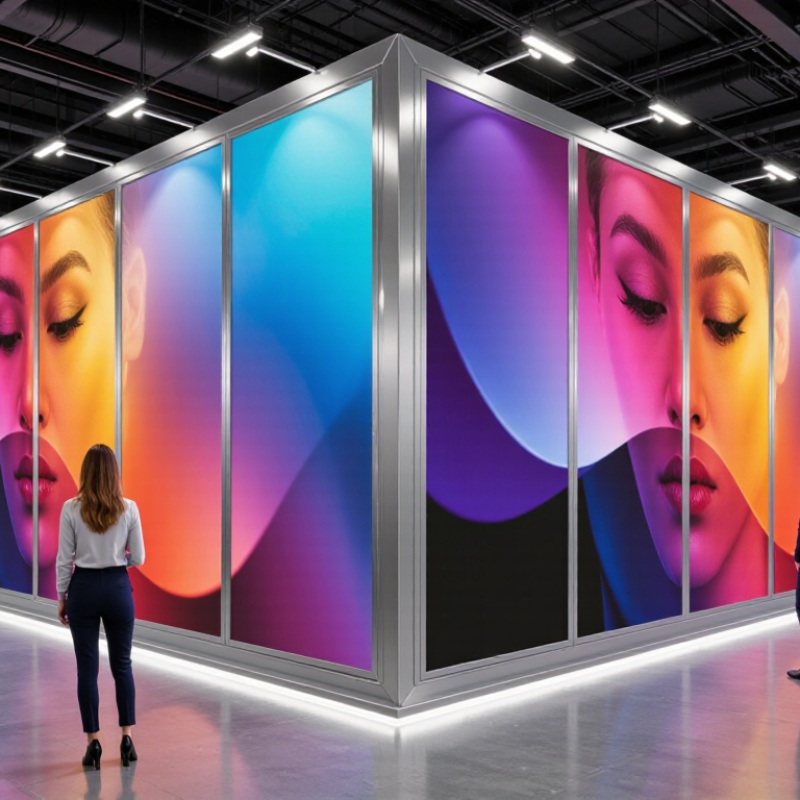
A SEG wall display uses a fabric graphic with a silicone edge sewn into its perimeter. The edge fits into a narrow groove in an aluminum frame. This creates a smooth, nearly seamless surface without visible hooks or bulky fasteners.
With backlighting, LEDs sit inside the frame and spread light behind the fabric. The graphic then appears bright and evenly illuminated. The effect is clean.
This construction makes SEG displays useful for reception areas, exhibitions, retail interiors, and event backdrops.
According to Grand View Research, the global digital signage market reached approximately $27.1 billion in 2022. Its report also forecasts an 8.1% compound annual growth rate from 2023 to 2030. That growth reflects stronger demand for flexible visual communication, although SEG is not suitable for every environment.
When choosing a wall display, check the frame depth, fabric tension, light distribution, and graphic replacement process.
A shallow frame saves space, but it may limit backlighting performance. Ask for color samples under the actual lighting conditions. Indoor sunlight can change the result.
Also inspect the silicone stitching; weak sewing may cause ripples after repeated installation. According to the Sign Research Foundation, effective environmental graphics should support wayfinding, identity, and user experience.
A beautiful wall can still fail if visitors cannot understand its purpose. I would avoid selecting only by appearance.
Maintenance access matters too. Even a small lighting fault can become expensive when the entire frame requires removal.
Which Display Size, Shape, and Layout Fit Your Business?
How to Choose a Seg Wall Display for Your Business?
Choosing a SEG wall display starts with the room, not the product. Measure the available width, height, and viewing distance carefully. A compact display suits reception areas with limited floor space. Larger walls need enough visual scale to remain readable from across the room. Measure twice. A flat shape creates a clean, professional backdrop for offices and retail counters. Curved designs add depth and can guide attention toward a central message. However, extreme curves may reduce readable space near the edges.
Your layout should match how people move. A wide horizontal wall works well behind a service desk or presentation area. A taller layout can frame a narrow entrance or highlight product information. Keep important text near eye level, with generous spacing around logos, images, and contact details. Modular sections can simplify transport and future changes. I once planned a display around the wall size alone, then discovered a doorway blocked the best viewing angle. The plan looked correct on paper, but the customer experience was poor. That mistake reinforced the value of testing the layout in the actual space.
Tips: Check ceiling lights for glare before approving the artwork. Leave clear walking space around the frame. Use high-resolution graphics at the final print size. Confirm installation access, storage needs, and electrical points. A simple floor sketch can reveal problems early. Ask someone unfamiliar with the design to read it from several distances. Their confusion may expose an issue you missed.
How to Choose a SEG Wall Display for Your Business?
Which display size, shape, and layout fit your business?
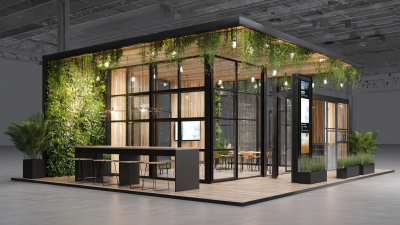
This comparison uses common modular SEG display footprints calculated from standard 10-foot-wide frame modules. Choose a compact 10 × 10 ft wall for small booths, a 10 × 20 ft layout for stronger product storytelling, and larger 20 × 20 ft or 20 × 30 ft configurations when you need multiple zones, meeting areas, or prominent branding.
How to Evaluate Fabric Graphics, Frames, and Print Quality
Choosing a SEG wall display starts with the fabric, not the frame. In real installations, fabric graphics often decide whether the wall looks polished or tired. Ask for a physical sample before approving a large order. Check the weave under bright light, then view it from several feet away. A tight, even weave usually produces cleaner images and fewer distracting shadows. Do not trust color shown only on a monitor. Screens vary widely.
Evaluate the printing process according to your lighting, application, and reuse plans. A retail wall may need strong color, while a presentation area may require accurate skin tones and readable small text. Ask how color is measured and whether a printed proof is available. Look for sharp edges, smooth gradients, and consistent dark areas. Inspect the silicone edge for fraying, uneven stitching, or loose threads. Small defects become obvious after tensioning.
The frame should feel rigid without becoming unnecessarily heavy. Check corner joints, connector fit, and whether the feet sit flat. Also request care instructions, replacement options, and relevant material documentation. I have seen excellent prints weakened by a poorly aligned frame. I have also rejected a sample too quickly because minor wrinkles disappeared after proper tensioning. That experience taught me to judge the fully assembled display, not loose fabric alone. Allow time for a second inspection. It may reveal an issue missed during a rushed approval.

 +86-750-3598205
 CONTACT NUMBER